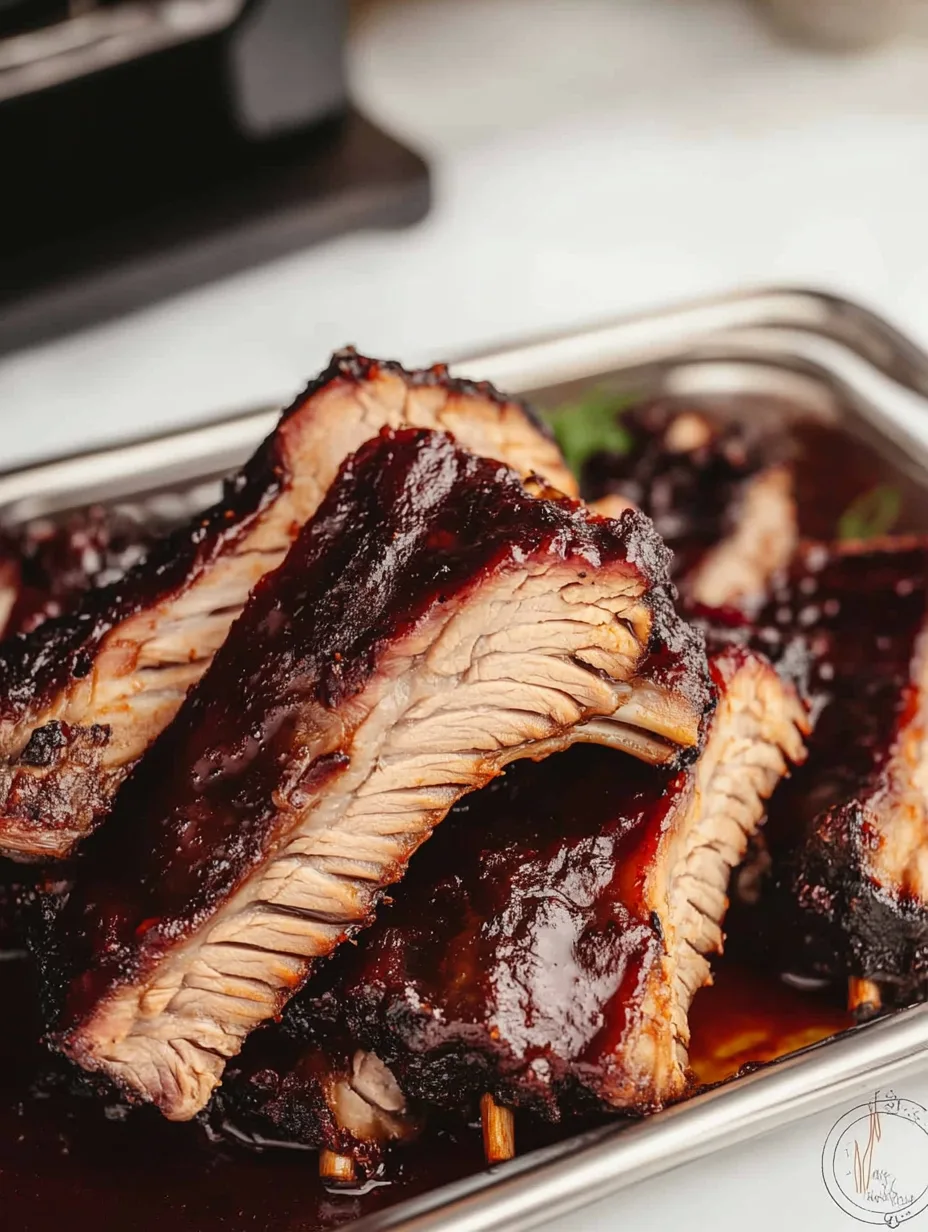
Craft The Best Dry Rib Rub For Tender, Flavorful Ribs
The secret to truly unforgettable, fall-off-the-bone ribs isn't just in the slow cooking; it begins long before the meat ever touches heat. It starts with a meticulously crafted dry rub – a symphony of spices and seasonings that infuses every bite with incredible flavor and helps build that coveted, crispy "bark." If you've been searching for the ultimate rib rub recipe to elevate your barbecue game, look no further. We're diving deep into the art and science of creating a dry rub that promises tenderness and a flavor profile that will have everyone asking for your secret.
The Essential Ingredients for a Stellar Rib Rub Recipe
A phenomenal dry rib rub strikes a delicate balance between sweet, savory, spicy, and aromatic notes. Our ultimate rib rub recipe is designed to achieve just that, creating a complex flavor that complements, rather than overwhelms, the natural taste of pork. This blend is versatile enough for baby back, spare ribs, or any pork ribs you plan to grill, smoke, or bake.
Our Signature Dry Rib Rub Recipe
This easy-to-make blend takes mere minutes to prepare and yields enough for 2-3 racks of ribs. Feel free to adjust the cayenne pepper to your personal spice preference.
- 2 tablespoons light brown sugar: Provides essential sweetness for caramelization and bark development.
- 2 tablespoons smoked paprika: Delivers a beautiful color and a crucial smoky depth that standard paprika can't match.
- 1 tablespoon garlic powder: A foundational aromatic, adding savory intensity.
- 1 tablespoon chili powder: Offers a mild, earthy warmth and a subtle kick.
- 1 tablespoon ground cumin: Contributes an unmistakable earthy, smoky note.
- 1 tablespoon onion powder: Enhances the savory base alongside garlic powder.
- 1 teaspoon ground cinnamon: The unexpected secret ingredient, adding a subtle warmth and complexity that truly sets this rub apart.
- 1 teaspoon cayenne pepper (optional): For those who love a bit of heat. Adjust to your desired level of spice.
- 1 teaspoon dried thyme: Introduces a herbaceous counterpoint to the richer spices.
- 1 teaspoon freshly ground black pepper: Adds a sharp, pungent kick.
- 1 teaspoon sea salt: Crucial for seasoning and drawing out moisture for bark formation.
Instructions:
- In a medium-sized bowl, combine all the dry ingredients: brown sugar, smoked paprika, garlic powder, chili powder, ground cumin, onion powder, ground cinnamon, cayenne pepper (if using), dried thyme, black pepper, and sea salt.
- Whisk thoroughly to ensure all the spices are evenly distributed. Clumps of brown sugar can be broken up with your fingers.
- Your delicious, homemade rib rub recipe is now ready to use or store!
Mastering the Art of Rub Application for Optimal Flavor
Creating the perfect rub is only half the battle; how you apply it is equally important for achieving those tender, flavorful ribs.
Preparing Your Ribs
Before applying your magnificent dry rub, ensure your ribs are properly prepped:
- Clean and Dry: Pat your racks of ribs thoroughly dry with paper towels. Excess moisture can hinder the rub from adhering properly and prevent the formation of a desirable crispy bark during cooking.
- Remove the Membrane: On the bone-side of the ribs, there's a thin, silverskin membrane. While optional, removing it is highly recommended. It can become tough and chewy when cooked, and its removal allows the rub's flavors to penetrate the meat more effectively, resulting in more tender ribs. To remove, simply slide a knife under the membrane at one end, lift it with your fingers, and pull it off. A paper towel can help you get a better grip.
Generous Application, No Binder Needed
Once your ribs are prepped, it's time for the star of the show – your ultimate rib rub with brown sugar and spices. Don't be shy! Generously coat both sides of the ribs with the mixture. Use your hands to gently press the rub onto the meat, ensuring it adheres well. You'll want a visible, even layer. Thanks to the natural moisture of the meat, binders like mustard or oil are generally not necessary for a good dry rub to stick, especially in the Kansas City tradition. For more insights on this approach, explore Kansas City Rib Rub Secrets: No Binder, Perfect Timing.
Timing the Rub: A Critical Decision
One of the most debated aspects of dry rub application is how long to leave it on the ribs before cooking. The timing can subtly impact the final flavor and texture, primarily due to the salt content in the rub:
- Short Application (10-60 minutes): This is the classic Kansas City style approach. Applying the rub just before cooking allows the spices to season the surface, forming a flavorful crust without deep penetration into the meat. The advantage here is a fresh, bright spice flavor profile and less risk of the salt beginning to cure the meat, which some find can impart a "hammy" flavor if left for too long.
- Longer Application (2-4 hours or overnight): Allowing the rub to sit on the ribs for several hours, or even up to 12-18 hours in the refrigerator, allows the salt and sugar to begin drawing moisture out of the meat and then reabsorbing, carrying the rub's flavors deeper into the muscle. This process, often called "dry brining," can result in a more integrated, deeply flavored rib and can contribute to even more tender results. While some worry about a "hammy" taste, with a balanced rub like ours, an overnight application typically enhances flavor beautifully without undesirable curing effects.
Ultimately, the "best" timing often comes down to personal preference. We recommend experimenting with both methods to discover which you prefer for your ideal rib experience.
Storing Your Masterpiece
Made too much of your fantastic rib rub recipe? No problem! Store any extra rub in an airtight container in a cool, dark pantry for up to six months. This makes it incredibly convenient to have on hand for impromptu barbecue sessions.
Cooking Methods for Perfectly Tender Ribs
Once your ribs are seasoned, the path to tenderness is typically "low and slow." While specific temperatures and times vary by method, the goal is always to break down the connective tissues in the meat, rendering them incredibly tender.
- Smoking: The ultimate method for infusing ribs with rich, smoky flavor. Maintain a consistent low temperature (around 225-275°F) for several hours.
- Grilling (Indirect Heat): Achieve similar results on a grill by setting up a two-zone fire and cooking the ribs over the cooler, indirect side.
- Baking: For a more controlled indoor method, bake ribs in the oven at a low temperature (e.g., 275-300°F) until fork-tender.
No matter the method, ribs are done when they are tender enough that the meat easily pulls away from the bone or passes the "bend test" (they should flex significantly without breaking). You can enjoy these ribs as is, allowing the rub to shine, or brush them with your favorite barbecue sauce during the last phase of cooking for a sticky, finger-licking finish.
Beyond Pork: Unleashing Your Rub's Potential
Don't limit this incredible rib rub recipe to just pork ribs! Its balanced blend of sweet and savory spices makes it incredibly versatile. Sprinkle it on chicken wings, pork chops, or even a whole roasted chicken for an instant flavor boost. For a surprising twist, try seasoning roasted sweet potatoes or other root vegetables with it before roasting. It truly is a go-to all-purpose seasoning for any home cook.
Conclusion
A truly great rib rub recipe is the cornerstone of exceptional barbecue. By understanding the role of each ingredient and mastering the application process, you're well on your way to crafting ribs that are not only tender and juicy but bursting with layers of irresistible flavor. This comprehensive guide and our signature dry rub recipe provide all the tools you need to create barbecue masterpieces that will impress friends and family alike. So, gather your spices, fire up your smoker or grill, and prepare to enjoy the best ribs you've ever made!
